A manuscript found in someone else’s house has an authority that a published book cannot quite claim. It seems private, unguarded, written without thought of an audience. You know you shouldn’t read it, which makes it almost impossible to put down. A novelist, of all people, ought to understand how easily that feeling can be manufactured.
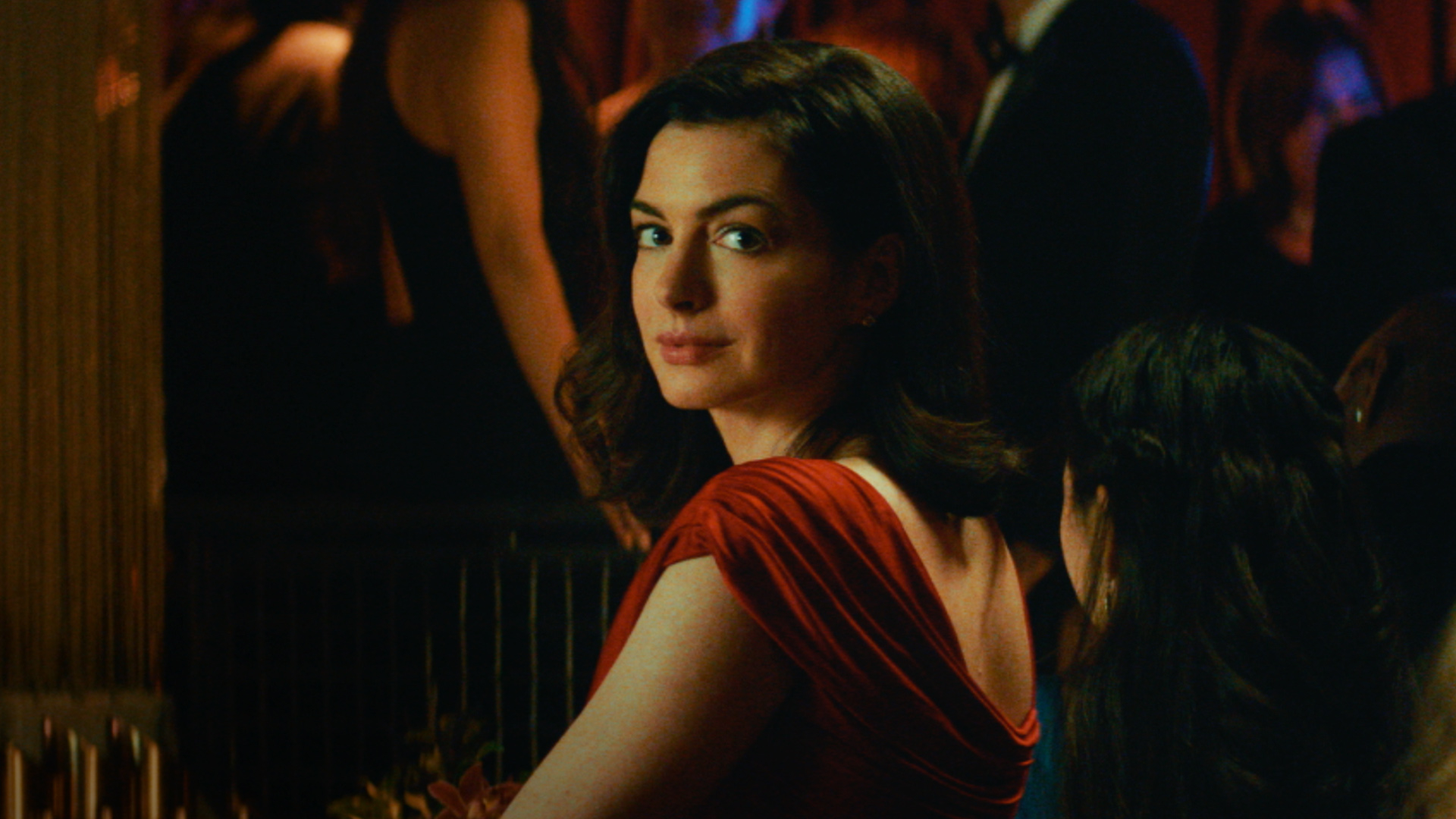
In Verity, Michael Showalter’s adaptation of Colleen Hoover’s bestseller, Dakota Johnson plays Lowen Ashleigh, a writer hired to finish the novels of Verity Crawford (Anne Hathaway), who can no longer complete them herself. At the Crawford home, Lowen finds what appears to be an autobiographical manuscript full of disturbing admissions. Verity’s husband, Jeremy (Josh Hartnett), is nearby. So are all the incentives to keep reading.
The premise has the economy of a very good trap. Lowen has been hired to write someone else’s story. She finds a story that might expose its author. Her professional task and her private desire begin to contaminate one another. The more she reads, the harder it becomes to distinguish evidence from performance. A novelist, after all, is someone whose occupation involves inventing convincing falsehoods.
This is the territory where the domestic thriller has found enormous commercial success. A beautiful house offers privacy and becomes a prison. An intimate relationship conceals a power struggle. The apparently passive woman possesses information the observer lacks. Rooms contain documents, bedrooms contain grievances, and the act of asking one perfectly reasonable question threatens to overturn the whole arrangement.
A domestic thriller gives suspicion a comfortable address. There is a handsome house, a difficult marriage, a room that perhaps should remain closed. The furniture suggests wealth, though its owner may be less secure than appearances indicate. These stories ask a practical and unnerving question: how much of what you believe about people comes from the stories they tell you?
The unreliable narrator is older than the modern bestseller, but contemporary thrillers have found a particularly efficient way to industrialize it. Give readers an apparent confession, make its credibility central to a relationship, and force them to revise what they thought they knew. The twist becomes a kind of currency. The novel is discussed not simply for its characters or language, but for the intensity of the reader’s surprise.
There is something slightly paradoxical about that economy. To advertise a book or movie as twisty is to prepare the audience to distrust it. Suspicion becomes an obligation. Viewers begin to inspect every tender gesture for malice and every innocent sentence for concealment. By the time a revelation arrives, the audience may have spent two hours waiting to be deceived. The surprise is expected; its exact shape remains the product.
Verity makes the habit especially interesting because its characters are writers. Lowen’s discovery is not a tape or a bloodstained garment but a text. Its apparent intimacy gives it authority. We are disposed to believe that a private manuscript is more truthful than a public performance because we imagine that no one has an incentive to lie when speaking only to themselves. A writer should know better. Private prose can be rehearsed, self-serving, theatrical, or written for a future reader who has not yet been told that the work is meant for them.
The title itself becomes a tease. Verity is a person’s name, but it also suggests truth. That double meaning is almost too neat, and its neatness is part of the appeal. Every possible interpretation seems to come with a ready-made opposite. Innocence can look like calculation; helplessness can look like control. A woman lying still may command a household more effectively than somebody moving freely through it.
The house matters. Lowen enters it as an employee, not an equal, hired to keep a successful literary property alive. She may have access to its owner’s secrets, but somebody else has the money, the keys and the right to decide when she leaves. Suspense is easier to sustain when a character has reasons to remain somewhere she would be wise to flee.
Hartnett’s Jeremy occupies the familiar thriller role of the attractive man who may be more complicated than he appears. Romantic attraction is particularly convenient for suspense because it gives the observer a reason to disregard information she would otherwise find alarming. Desire does not merely cloud judgment. It can persuade someone that the act of doubting is itself disloyal.
The remote estate is likewise more than an atmospheric prop. Houses in this genre are arrangements of power. Somebody owns the building, somebody is a guest, somebody has nowhere easy to go. The writer brought in to complete a bestselling series enters a world of wealth and professional prestige that she does not control. Her access to its secrets comes with the vulnerability of economic dependence. She has been invited inside, but not as an equal.
Film has an awkward relationship with the unreliable narrator. A sentence can quietly mislead; a camera appears to show what is there. But the camera chooses where to look, how long to linger and what to conceal outside the frame. An adaptation of Verity will stand or fall on those choices, not on the notoriety of the novel’s twists.
Hoover’s popularity has frequently produced an argument about taste that is less illuminating than it seems. Some readers find the emotional intensity addictive; others are impatient with the prose, the sensational premises, or the manipulation. Neither response settles the question of why her work has connected so powerfully with readers. Her fiction understands the page-turning power of romantic danger and the pleasure of revising a moral verdict. It asks not only what happened, but what sort of person we become when we believe one version of it.
An adaptation faces the difficulty of transferring that experience to a medium that appears to show us things directly. A novel can withhold, distort, or color information through sentences. The camera carries its own seductive promise of objective observation. Yet film is just as capable of lying through framing, omission, editing, and the placement of a face in shadow. A director can make spectators complicit in an interpretation before they realize an interpretation is taking place.
That is the test for Showalter’s film. Does it find a visual language for uncertainty, or merely illustrate the steps of a famously twist-driven plot? Do the actors make competing versions of reality emotionally persuasive? Does the ending trouble what preceded it, or simply explain the trick? None of these can be established by the trailer or the studio synopsis.
A genuinely unsettling thriller leaves behind something more durable than the excitement of having guessed wrong. It makes ordinary trust feel a little stranger. In Verity, the most dangerous object is not necessarily a weapon or a locked door. It is a manuscript that appears to tell the truth, lying open before a reader who very much wants to believe it.
Editor’s note: This is a critical essay based on published film information, studio materials and cultural context, not a firsthand screening review. Film details: official/source information.

