
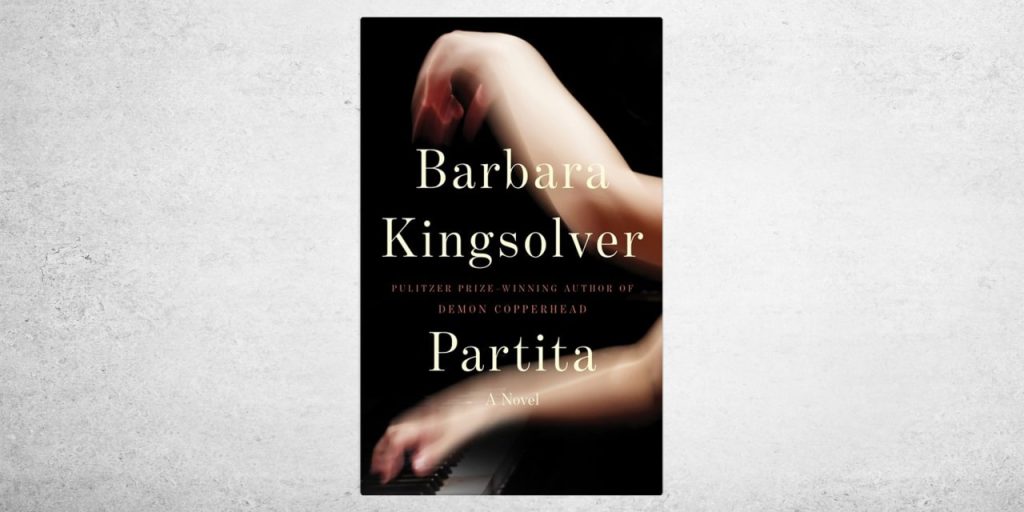
Livia Cable teaches piano in rural Tennessee. She once expected to play concert halls instead.
Barbara Kingsolver’s Partita begins with Livia Cable, a music teacher in rural Tennessee, receiving a telephone call from Sigurd, a man she loved when she was young and preparing for a career as a concert pianist. The call disturbs the orderly life that she has built, sending her back toward a period of aspiration, romance and catastrophe.
The novel, published October 6, follows Demon Copperhead, Kingsolver’s Pulitzer Prize-winning reimagining of Dickens amid the opioid epidemic. That earlier book found a large social tragedy in the story of one Appalachian boy. Partita narrows its attention to a woman who was once told that her gifts might take her somewhere extraordinary, and who must now decide what the word extraordinary was supposed to mean.
Kingsolver has often written about the unequal judgments passed on rural American life. A gifted teenager who leaves home for a conservatory enters a world with different assumptions about education, class and the proper uses of talent. Livia’s musical training promises freedom from provincial limitation, but it also introduces its own hierarchy. Virtuosity is admired; failure is not always generously understood.
An accident ends Livia’s expected path toward performance. Her later work as a teacher is not the same kind of achievement, at least to people who mistake public renown for artistic purpose. This difference allows Kingsolver to ask an uncomfortable question: what becomes of a gift when it no longer produces the life its owner was promised?
The title invokes a musical composition built from contrasting movements. The book likewise moves between Livia’s youth and middle age, following the consequences of choices that seemed urgent at the time and acquire new meanings decades later. Its very structure makes room for the sort of reappraisal that only age permits.
Early reviewers have disagreed about the novel’s sentimentality and its treatment of class, though its attention to music has drawn particular praise. Those judgments are worth keeping in mind, without making the mistake of treating Partita as a second attempt at Demon Copperhead. Its concerns are more domestic, its drama less visibly historical.
Kingsolver’s deeper subject, as it emerges from her account of Livia’s life, is not simply lost opportunity. It is the strange persistence of art after an audience, a career or an old romance has fallen away. A piano can remain a serious part of a life even when no concert hall is waiting.
Book details: Barbara Kingsolver, Partita · Harper · October 6, 2026 · Novel. Publisher and publication information.

