
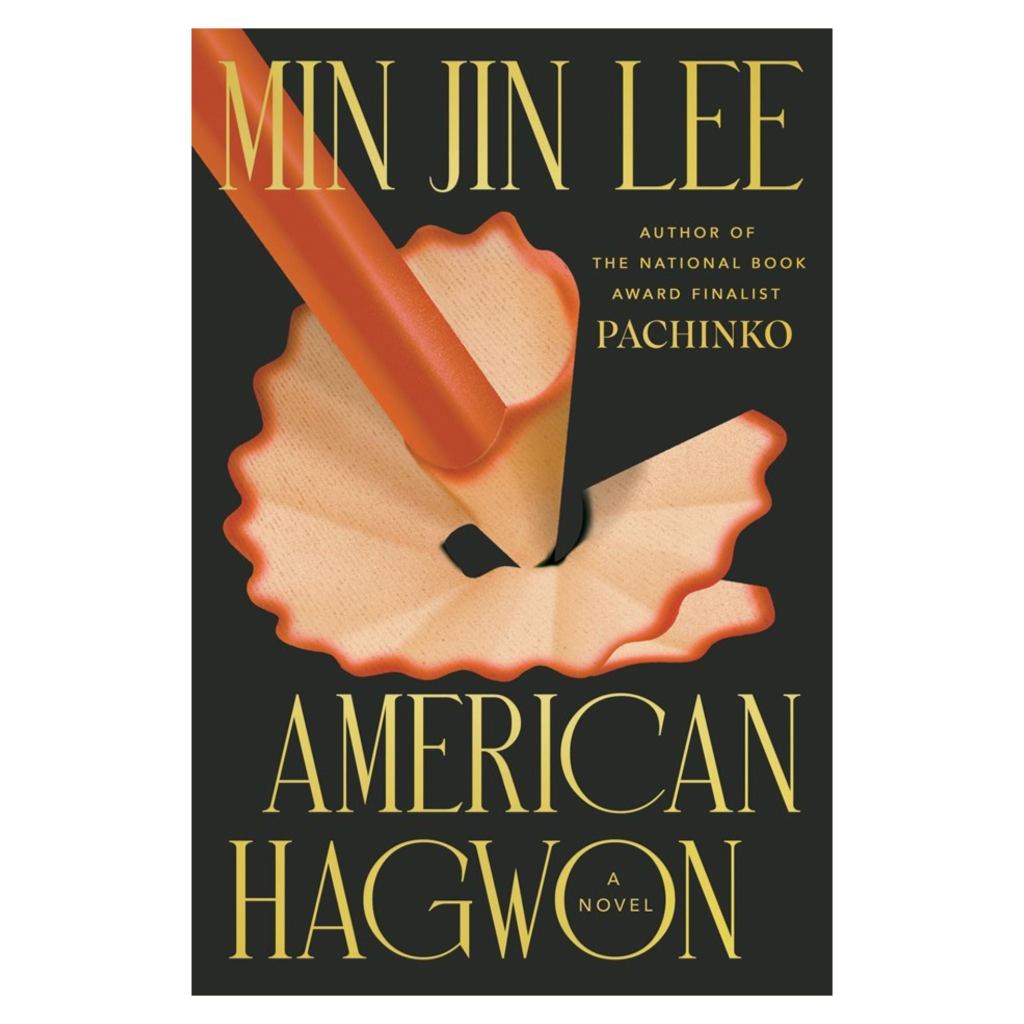
John and Helen Koh lose their standing in Korea, then discover how little of it they can carry abroad. In Min Jin Lee’s American Hagwon, it becomes a portable ambition, carried from Seoul to Sydney and then to Southern California.
John and Helen Koh once belonged comfortably to the Korean middle class. A betrayal by John’s oldest friend and the Asian financial crisis of 1997 overturn their prospects. With their children, Bo, DH and Mido, they leave Korea in search of a new beginning. Their qualifications and past achievements do not travel as readily as they do. In each new country, the parents confront an unfamiliar social order while attempting to secure better futures for their children.
The Kohs do not begin as dreamers without resources. John and Helen have done the things sensible people are told to do. They have educated themselves, worked, saved and planned for their children. Their descent is frightening partly because it demonstrates how little protection these accomplishments may provide against a national financial crisis. The currency collapses; business relationships become dangerous; the family discovers that the middle class is not a permanent address.
The title refers to the Korean after-school academies where children prepare for examinations and compete for advancement. An institution built around educational striving is a particularly apt metaphor for a family saga about the costs of ambition. Achievement is supposed to provide security, but it can also demand a relentless sacrifice of time, affection and imagination.
The betrayal by John’s oldest friend belongs to the same history on a more intimate scale. Public calamity arrives through private channels. A financial decision taken by someone familiar, someone who once sat at the same table, can undo years of prudent labor. Such injuries can be harder to understand than impersonal recession because they damage the assumptions on which ordinary cooperation depends. A family moves abroad not only because its prospects have worsened but because the people and arrangements it trusted no longer seem dependable.
Lee’s earlier novel Pachinko traced generations of a Korean family in Japan, illuminating history through the daily choices of people who seldom controlled the larger forces shaping their lives. American Hagwon, published September 29, moves the family story into the decades of global mobility, financial instability and competitive schooling that followed. It is both a change of period and a continuation of Lee’s interest in the peculiar obligations of belonging.
Sydney and Southern California offer opportunities, but neither can return the parents to the social position they knew. A credential carries a different value abroad; an accent alters an introduction; a professional history that once inspired respect must be explained to strangers. The children adapt by other means. Their identities are not as settled as their parents’ were, and the habits of the household begin to compete with the customs of school and neighborhood. Assimilation proceeds unevenly around the dinner table.
The publisher describes a world of schools, churches, hotels, nail salons, law offices and restaurants. These settings suggest a sprawling social novel, one in which the family’s aspirations must be measured against the work required to sustain them. There are also the subtler exchanges between generations: parents who sacrifice for children who may eventually regard those sacrifices as a form of pressure.
The three children also make it possible for Lee to examine ambition from several angles. What a parent describes as sacrifice may look to a child like an unpayable debt. What one sibling considers obedience another may experience as surrender. These differences do not necessarily mean that anybody lacks affection. Families can become most quarrelsome about the futures they believe they are working hardest to protect.
The novel arrives with unusually weighty expectations. Pachinko became a contemporary classic and an acclaimed television adaptation. Rather than attempt to duplicate its historical setting, Lee has chosen a newer version of the immigrant predicament. The Koh family’s problem is not simply getting somewhere else. It is deciding what success will look like once they arrive, and who will be allowed to define it.
A hagwon is an efficient emblem of these pressures because it sells reassurance in a competitive environment. Extra instruction promises an advantage over other students. The promise works best when every parent fears that failing to purchase it will leave a child behind. Education begins as a civic good and becomes a private arms race. The families with the most resources can buy additional chances, while those with less money are asked to make correspondingly larger sacrifices.
At more than six hundred pages, the book makes a substantial demand on its readers. Its scale is appropriate to a subject that cannot be settled by one arrival, one examination or one promotion. The family’s definition of success must keep changing, and with each revision the distance grows between the lives John and Helen expected to lead and the lives their children may choose for themselves.
Book details: Min Jin Lee, American Hagwon · Cardinal / Grand Central Publishing · September 29, 2026 · 656 pages. Publication information.

