A storm is usually a subject for a landscape painter. For Charles Burchfield it could become something closer to a state of mind. His watercolor skies seem to bear down on the land; his meadows can appear charged with sound. The weather is recognizably American, but the sensation is strangely intimate.
On October 22, the Whitney Museum opens Charles Burchfield: Elemental, a small exhibition of ten works dating from 1916 to 1960. It is a modest undertaking in number, which may be precisely what this artist deserves. Burchfield’s paintings demand slow looking; a crowded survey can turn their intensity into a blur of spectacular effects.
Born in 1893, Burchfield developed a vocabulary in which natural observation and emotional experience are difficult to separate. A tree is not simply a tree. Weather does not merely occur above a landscape. It acts upon every part of the image, gathering in the shapes of branches, fields and buildings. This is not the clinical precision of a botanical illustrator. It is a painter finding a visual language for the experience of being outdoors.
The Whitney frames the exhibition around what Burchfield called the ‘tremendous force of nature.’ That phrase points to the ambition of his work without making it sound merely grand. Force can mean the violence of a cloudburst, but it can also mean the astonishing presence of a seasonal change, an insect chorus or the way a damp afternoon alters a familiar scene.
The works named in the museum’s announcement suggest an artist persistently attuned to such changes. Cricket Chorus in the Arbor dates to 1917; An April Mood was made between 1946 and 1955; Cold September Rain is from 1957. Even their titles register more than meteorological facts. They propose sounds, temperatures and moods, asking a painted surface to convey sensations that ordinarily lie beyond sight.
Watercolor makes an unusual ally for this project. Often associated with sketches and delicate studies, it can be a formidable medium for describing atmosphere. Areas of transparency permit light to seem to pass through a color rather than sit on top of it. Concentrated passages can become almost oppressive. The tension between fluency and control suits an artist attracted to unruly weather.
Burchfield also troubles a tidy distinction between realism and fantasy. His scenes may begin in a specific landscape, but their visual rhythms are hardly neutral records. He exaggerates and organizes until the viewer is invited to recognize not only a place but a sensation of place. The pictures are less about what a camera might capture than what a person could remember afterward.
The Whitney has a particular history with this painter. Seventy years ago, in 1956, it mounted a major Burchfield retrospective. The new presentation reaches back to that relationship without pretending that ten paintings can replace the scope of a career survey. The museum notes that the watercolors are sensitive to light, one reason an opportunity to see them together is meaningful.
That sensitivity introduces a paradox. Works devoted to the unpredictable forces of nature survive partly because institutions keep them in carefully controlled environments. The atmospheric violence on the paper must be sheltered from the actual effects of light. The museum makes such private intensity available by subjecting it to very public conservation rules.
The artist’s reputation can sometimes seem separated from more familiar narratives of American modernism. He did not need to abandon the visible world to make pictures that feel unfamiliar. His radical move was to persuade viewers that a familiar world was stranger than they supposed. A backyard, a storm cloud or a patch of autumn vegetation could sustain the kind of attention more conventionally reserved for epic subjects.
For New Yorkers, whose encounters with nature often happen among buildings and traffic, this is an interesting proposition. A small exhibition of landscapes might sound like a retreat from the city’s immediate concerns. Burchfield instead asks whether we have become inattentive to forces shaping our days: temperature, light, moisture, season and sound.
None of that requires claiming that his pictures predict the present climate crisis, or assigning them a politics they do not explicitly state. Their enduring appeal may be simpler and harder to exhaust. Burchfield looked at the world as though it were alive with meanings not yet expressed in words.
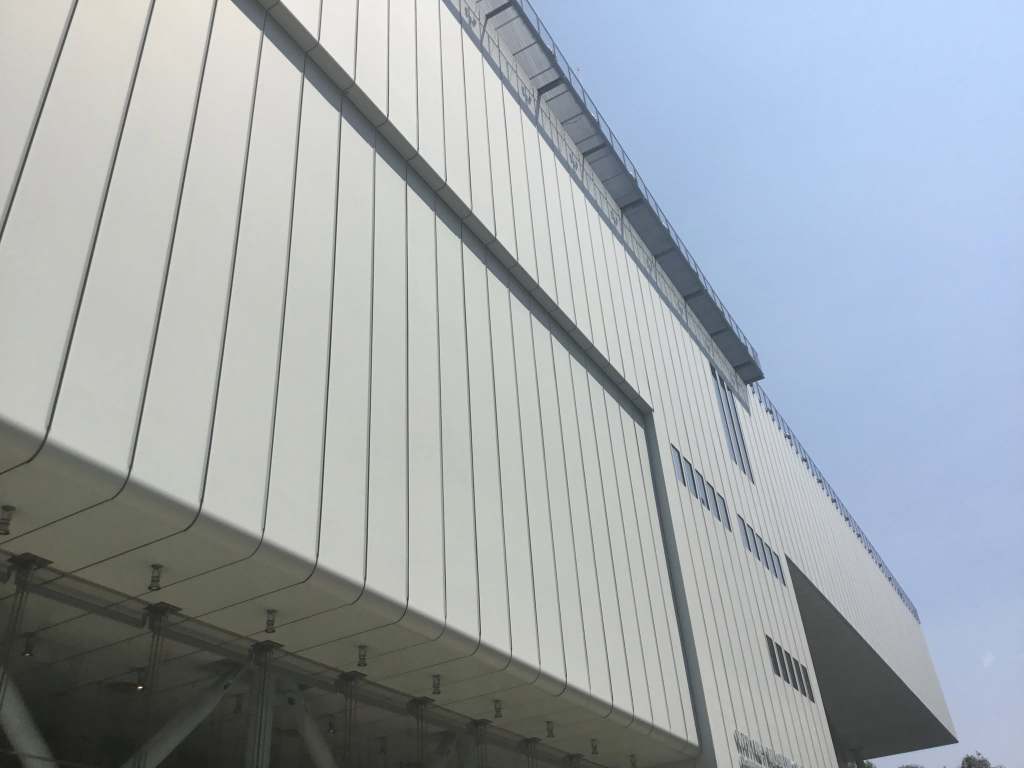
Charles Burchfield: Elemental opens October 22, 2026, at the Whitney and is scheduled through spring 2027. Caroline Webb organized the exhibition. This preview draws on the museum’s published description; it is not an account of seeing the installation.