
An artwork made for a browser has an awkward relationship with a museum wall. It may need clicking, loading, scrolling or a connection to a website that no longer behaves as it once did. Put it in a gallery and it can begin to look like a relic of a machine rather than an experience someone once had on that machine.
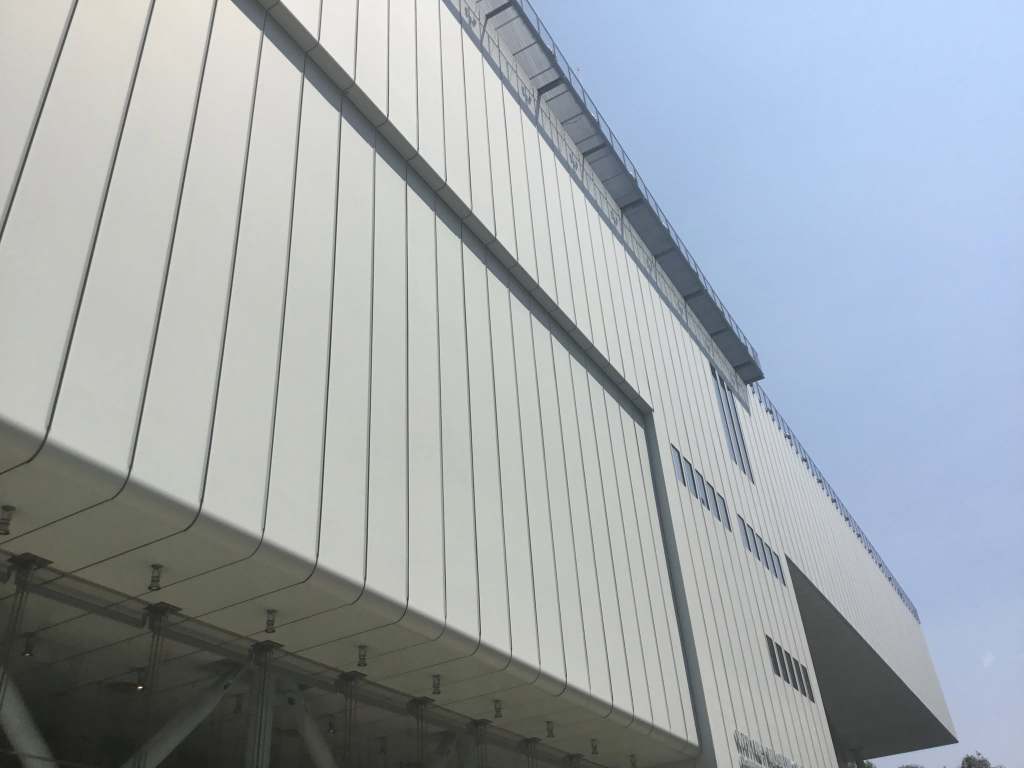
That problem sits at the center of the Whitney Museum’s forthcoming artport: A History of Internet Art, scheduled to open November 21. The exhibition looks back on 25 years of the museum’s online platform, which has commissioned and presented artists working with the web itself. The Whitney says the survey will encompass more than 100 commissioned works and extend beyond the sixth-floor galleries into online space.
The scale is striking, but the more compelling story is one of changing expectations. Early internet art belonged to an environment of small screens, uncertain connections, personal websites and imaginative freedom. Later commissions confronted a web increasingly dominated by platforms, feeds, mobile devices and the commercial incentives that shaped them. What counts as an artistic intervention changes when the infrastructure beneath it changes.
Artport’s history includes Gate Pages, projects linking visitors to artists’ sites; the Sunrise/Sunset series; and On the Hour commissions. These forms treat the museum website not simply as a bulletin board advertising art elsewhere, but as a location where art happens. That distinction helped unsettle the assumption that a museum’s real work exists only within its building.
The online art museum offered an intriguing alternative to the usual barriers of admission, geography and architecture. A browser could carry a work to a reader far from Manhattan. Yet such accessibility came with its own limitations: a computer, an internet connection, a compatible program and a willingness to engage with an artwork in the same window used to read email or pay bills.
There is a difference between preserving an image of a web project and preserving the conditions that made it meaningful. A screenshot can show what a page looked like. It cannot fully recover the feeling of wandering into it, following a link or having the work unexpectedly interrupt a routine. Interactivity is part of the original medium, and interactivity is notoriously vulnerable to software change.
The Whitney’s planned installation, whose design evokes floating browser windows, seems intended to acknowledge that history rather than conceal it. A window on a wall is an architectural metaphor for something originally seen through glass of another kind. It may help viewers understand how artists treated the browser as a frame, and sometimes as a subject.
Exhibitions about digital art also risk making the early web too quaint. It is easy to romanticize slow connections and odd personal sites, especially now that online experience can feel standardized. But nostalgia alone will not explain why a work was formally inventive, politically pointed or aesthetically compelling. The challenge is to distinguish a genuinely revealing artwork from an old interface that merely triggers recognition.
Another challenge is authorship. Internet artworks can depend on outside websites, third-party code, audience input or systems that evolve beyond an artist’s control. Traditional conservation techniques are not enough when the object involves relationships among users and machines. Deciding whether to repair an outdated function, simulate it or display evidence of its disappearance is already an interpretive act.
These choices matter because institutions now collect a growing range of art that cannot be completely understood as an object on a pedestal. Video, performance, software and networked work have all complicated preservation. Internet art adds the special problem of a public medium that is changing under everyone’s feet.
The Whitney’s archive also invites a less technological question: what does it mean for an institution to be an early patron of a form whose cultural legitimacy was still being negotiated? The museum did not simply wait for internet work to become respectable before displaying it. Its platform was part of the process by which such work acquired a record and an audience.
New York Hours covered the initial announcement in September. What remains worth examining is not the birthday itself but whether the exhibition can make visitors feel the ambitions of those works without flattening them into historical curiosities.
The test will come when people encounter the installation. Can the gallery preserve the sense of discovery, friction and possibility that once belonged to an open browser? Or will the old internet become another beautifully arranged museum period room? It is a surprisingly contemporary question for a quarter-century retrospective.
artport: A History of Internet Art is scheduled to open November 21, 2026, at the Whitney. This article is an advance analysis based on the museum’s announced plans, not an exhibition review.