Exclusive interview
Moving back to New York reminded Ríoghnach Robinson of the benefits of being a hermit.
She had lived here for a summer as an undergraduate and for about six months in 2017, before returning late last year. The literary culture was vibrant and energizing, she found, and also capable of overwhelming the person who needed to sit down and write. There were other writers to meet, but there was still the problem of being alone with a sentence.
“Writing-wise, I think the thing an author needs most is silence in the room of their mind,” she told New York Hours in an interview, “basically the feeling that they’re alone to work without the influence of outside chatter.”
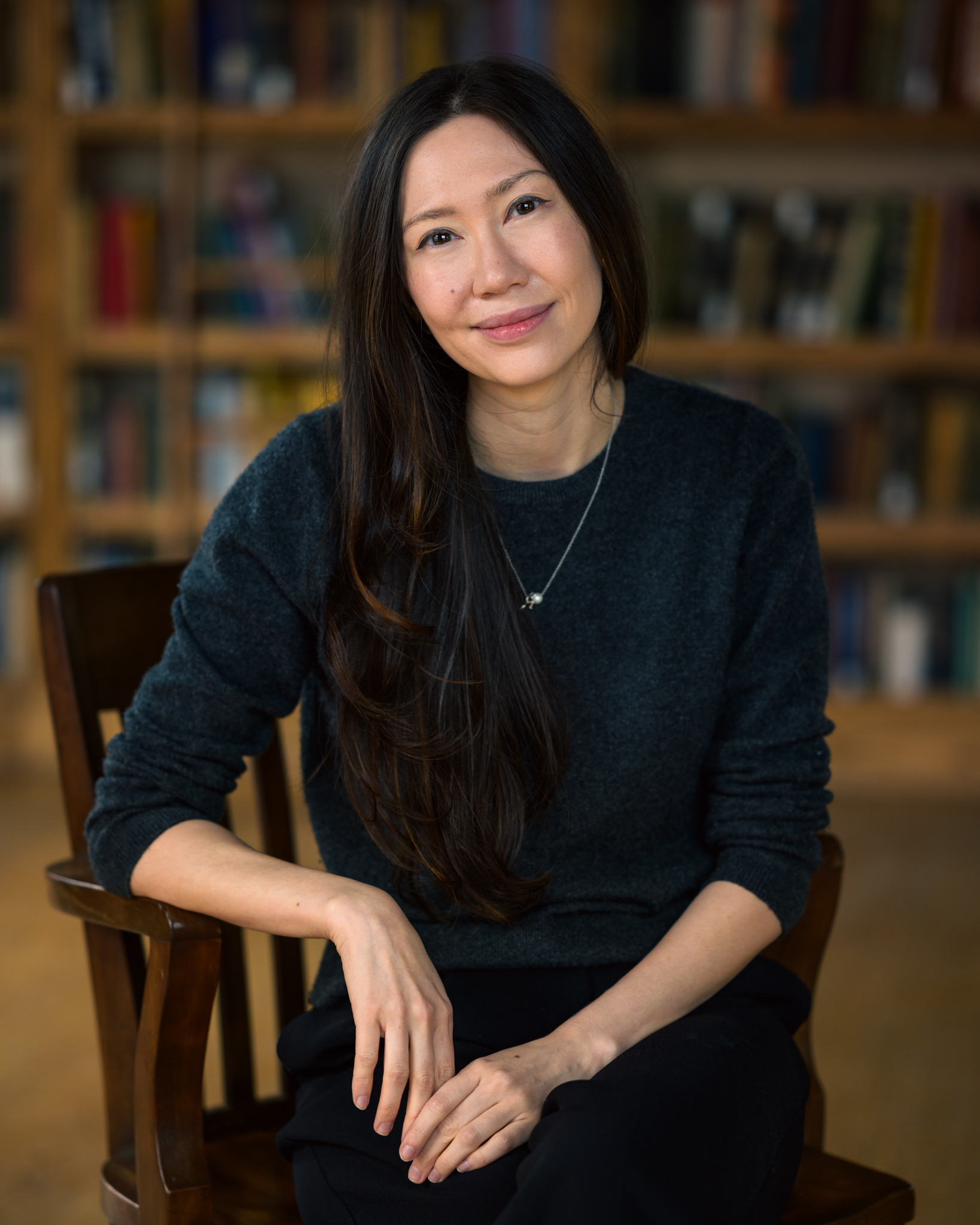
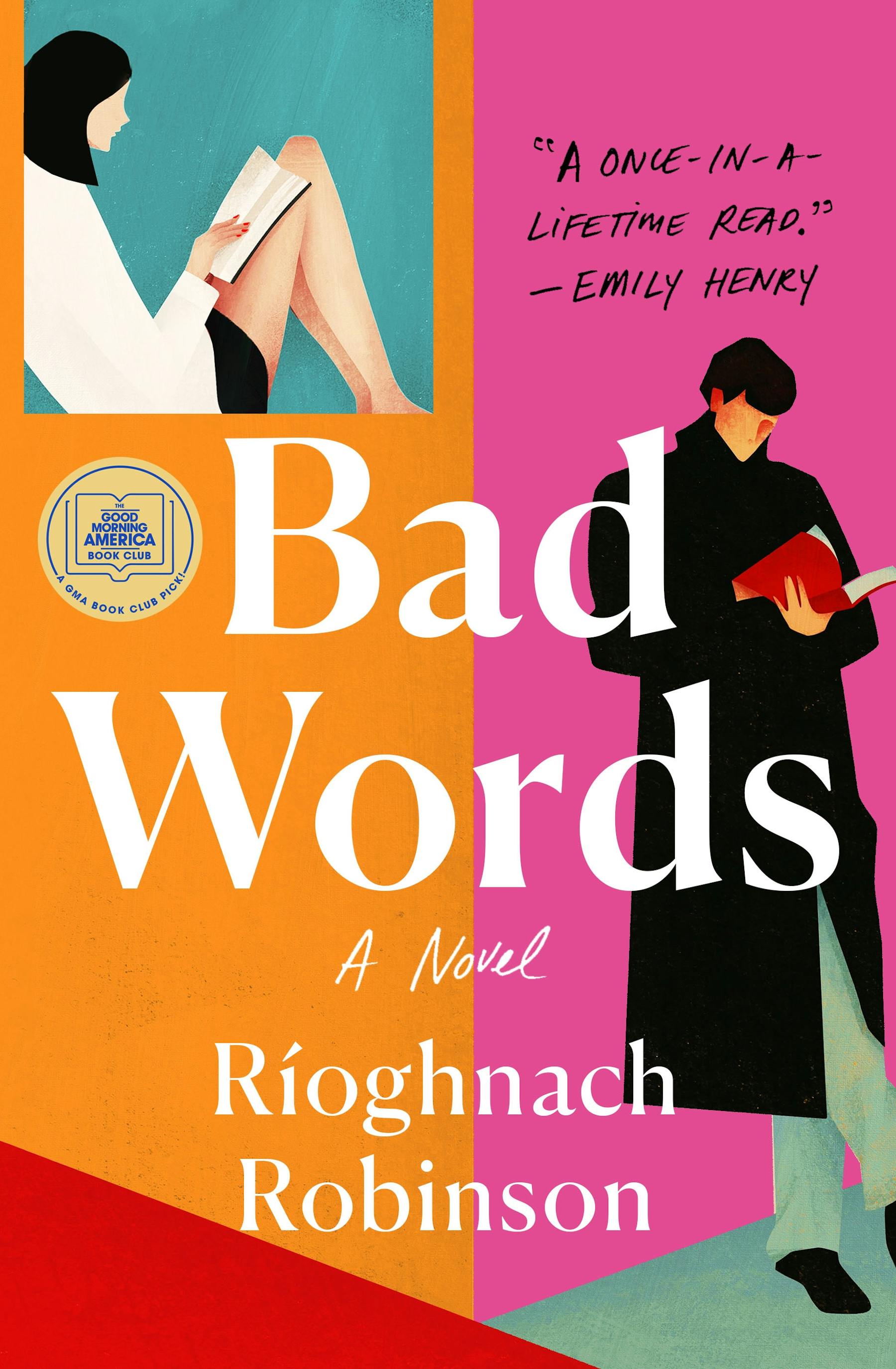
In Bad Words, her first novel for adults, the chatter has become professionally dangerous. A novelist, Parker Navarro, is trying to survive the attention of Selina Chan, a critic whose review of his debut helped turn a much-advertised literary arrival into a humiliation. When she reviews his next book, he discovers that she has not revised her opinion of him.
The opening excerpt puts him in a Brooklyn apartment with groceries and a roommate who would very much like him to stay off the internet. His first novel sold for $1.2 million; the second brought $15,000. He has used the windfall to help his family and buy an apartment. A bad review now threatens more than his estimate of his talent.
The novel follows the feud into an online spectacle, then a relationship that troubles both participants’ assumptions. The person Parker would prefer not to encounter acquires an uncomfortable importance in his life.
“I’m interested in the idea that when someone looks at your art, they see a reflection of you, and that’s meaningful, even if the reflection catches an unflattering angle,” Robinson said.
A hostile review can leave its subject feeling exposed as well as misunderstood. Robinson is interested in the exposure. For Parker, she said, the attraction involves the prospect of living with fewer filters. For Selina, it involves finding out whether her reading of him was right: whether she has understood someone beneath the performance, rather than merely persuaded herself that she has.
Neither position makes a promising basis for an easy courtship. He wants the freedom to be less guarded; she wants to know whether the comprehension she feels amounts to a connection. The difficulty is part of what interested Robinson. An unsparing judgment can be unwelcome and still carry the force of attention.
The setting gives them ample opportunity to irritate each other. An industry party and a literary convention fit naturally into a story about writers, reviewers and the people who circulate between them. In Robinson’s account, New York’s place in American publishing made the choice of city obvious.
“I don’t think Bad Words could have been set anywhere but New York City!” she said.
Her own route to an adult novel ran through other kinds of writing. According to her publisher’s biography, she grew up in North Carolina and studied economics at Kenyon College. Under the name Riley Redgate, she has published books for younger readers, including the Lambda Award winner Come Home to My Heart. She has also written for WEBTOON and The Onion. Her British publisher notes that she drafted much of Bad Words while visiting her parents in Ireland.
Her British publisher’s note about writing in Ireland sits beside her account of returning to New York. She values the city’s literary life without always finding it conducive to the private concentration a book requires. An author can enjoy the company of other writers and still need to get away from them to work.
Yet Robinson’s objections to contemporary book culture do not begin with reviewers being too severe. Asked about the difficulties of sustaining serious criticism, she described a loss of close reading and of context. She wants room for several kinds of response: the entertaining quip, the useful short review and the longer examination by someone with knowledge to bring to it.
“But only the first two of these are compatible with the profit motives of the social media and e-commerce companies that increasingly control book discovery online,” she said.
Her concern is about what readers lose when those shorter responses do most of the work. A verdict can tell someone whether to buy a book. A sustained piece of criticism can introduce connections, arguments and ways of seeing that the reader would not have found alone. It can make the book larger by placing it among other books and ideas.
“Serious criticism just isn’t the same as a ‘take’ or a snap quality judgment,” she said.
In describing the critic she wants to read, Robinson emphasized knowledge and perspective. She admires someone who can penetrate further into a work and make that understanding available to others. The result should leave the reader with a fuller sense of the book and of the world around it.
“Without these kinds of reads, the literary world will be flatter, shallower, less informed, less understanding,” she said.
Her defense of criticism gives the novel’s romance a complication worth keeping. Selina’s judgment has consequences for Parker; attraction does not make those consequences disappear. In talking about their relationship, Robinson leaves room for the possibility that he has felt something other than simple rejection, and that she has seen something she wants to understand better.
The audience for the quarrel presents another problem. Once a private disagreement becomes entertainment, neither participant entirely controls what it means. Asked whether literary culture gives writers enough room to fail, grow or change their minds, Robinson did not treat vindictiveness as a specialty of the book world.
“I think our culture at large is deeply interested in the permanently defining power of mistakes and failures,” she said. “The public eye is pretty vengeful.”
Bad Words is published by St. Martin’s Press.

